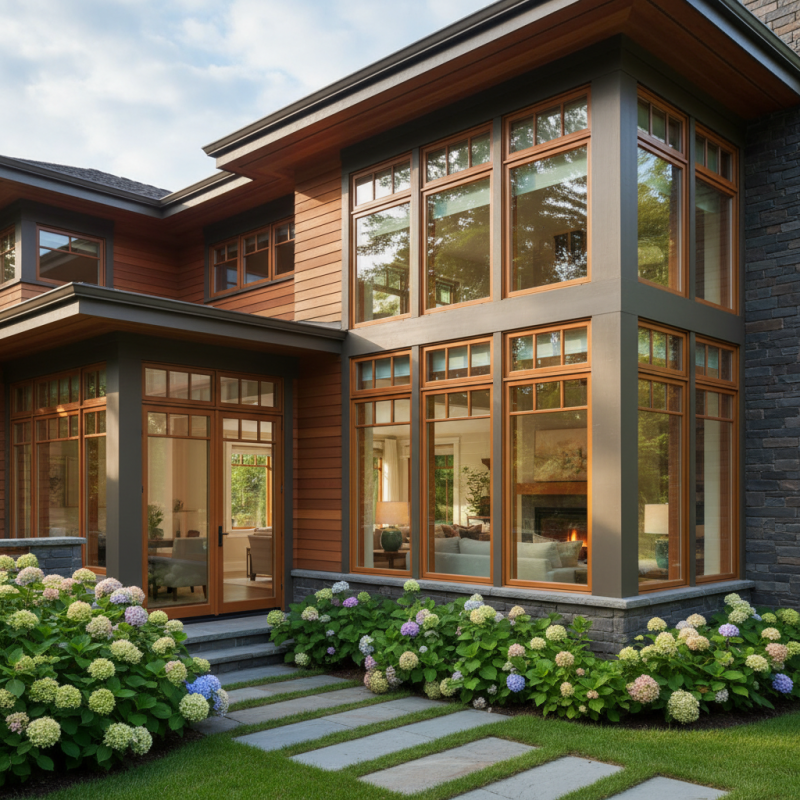
How to Choose the Best Clad Wood Windows for Your Home?
Choosing the right windows can transform your home’s aesthetics and functionality. Clad Wood Windows are increasingly popular for their durability and beauty. Renowned industry expert, John Smith, states, “Clad Wood Windows combine the warmth of wood with resilient protective layers.” This highlights their unique advantage.
These windows offer protection against harsh weather while providing a classic wooden look. Homeowners often underestimate their value. It’s essential to consider factors like climate, style, and maintenance. Poor choices can lead to costly repairs down the line.
Selecting the best Clad Wood Windows involves research and planning. Take the time to evaluate different options. Understand the materials and finishes available. Reflect on your home’s architectural style and your personal preferences. Each choice matters. Aim for windows that not only look good but also stand the test of time.
Understanding Clad Wood Windows: Definition and Benefits
Clad wood windows are a popular choice for homeowners. They combine the natural beauty of wood with a protective exterior. This design offers longevity and low maintenance. These windows feature a layer of cladding, often made of aluminum or vinyl. This cladding shields the wood from the elements, reducing the risk of rotting or warping.
When considering clad wood windows, think about energy efficiency. Clad options typically provide good insulation. This means lower energy bills over time. Always check if the materials used have good thermal ratings. Evaluating the local climate can also help. In wet areas, durable cladding is essential.
**Tips:** Look for windows with a warranty. This can indicate the manufacturer's confidence in their product. When selecting colors, consider the overall aesthetic of your home. Lighter colors can reflect heat, while darker shades can absorb it. It’s also wise to consult with a window specialist for tailored advice. Remember, every home is unique. Your choice should reflect both your style and functional needs.
Key Factors to Consider When Choosing Clad Wood Windows
When it comes to choosing clad wood windows, several key factors should guide your decision. Start by assessing the material quality. The best clad wood windows use durable wood species, which enhances longevity. Consider the exterior cladding as well. It should withstand harsh weather conditions while requiring minimal maintenance. Look for options that come with a genuine warranty, so you have peace of mind.
Energy efficiency is another crucial element. Windows should help regulate indoor temperatures, which can reduce energy bills. Look for models with double or triple glazing for better insulation. Frame construction matters as well. Some designs may appear more appealing but could compromise strength. Check reviews to verify the performance of different styles. If possible, visit showrooms to see samples firsthand. Seeing how they fit into real-life settings can help clarify your choice.
How to Choose the Best Clad Wood Windows for Your Home? - Key Factors to Consider When Choosing Clad Wood Windows
| Factor | Description | Considerations | Rating Scale (1-10) |
| Durability | Ability to withstand weather conditions and wear. | Material quality and weather resistance. | 8 |
| Energy Efficiency | Effectiveness in insulation and preventing energy loss. | Look for double-glazing and low-E coatings. | 9 |
| Aesthetic Appeal | Visual attractiveness and style compatibility with home. | Consider color and finish options. | 7 |
| Maintenance | Ease of upkeep over time. | Choose finishes that require less frequent painting or staining. | 6 |
| Cost | Initial investment and long-term value. | Balance quality with budget. | 7 |
| Warranty | Length and terms of warranty provided. | Look for comprehensive coverage. | 8 |
Different Types of Cladding Materials and Their Pros and Cons
Choosing the right cladding material for wood windows is essential. Various options exist, each with unique characteristics. Vinyl, aluminum, and fiberglass are common materials.
Vinyl cladding is popular for its low maintenance needs. It resists fading and is available in different colors. According to the American Window and Door Manufacturers Association, vinyl can lower energy costs by 10-25%. However, it lacks the natural beauty of wood and can diminish over time.
Aluminum cladding offers durability and strength. It is lightweight and protects windows from weather. However, it conducts heat, which may lead to increased energy costs. In contrast, fiberglass is a highly durable option. It can mimic the look of wood while respecting energy efficiency. That said, fiberglass can be more expensive upfront and requires professional installation.
Each cladding type has advantages and drawbacks. Therefore, careful consideration of your specific needs is crucial. Factors such as climate, budget, and desired aesthetics all play a role. Ultimately, the best choice balances performance, cost, and visual appeal.
Evaluating Energy Efficiency Ratings for Clad Wood Windows
When choosing clad wood windows, energy efficiency is a critical factor. The National Fenestration Rating Council (NFRC) provides key metrics for assessing these windows. The Energy Rating (ER) is essential. A high ER indicates superior energy performance. Windows with an ER rating of 30 or higher exhibit excellent energy savings.
It’s important to consider U-factor and Solar Heat Gain Coefficient (SHGC). The U-factor measures heat transfer. A lower U-factor means better insulation. The optimal U-factor for colder climates is typically below 0.30. In contrast, SHGC measures how much solar radiation passes through. A SHGC of 0.40 or lower is suggested for hot climates, balancing heat entry and natural light.
Additionally, look closely at installation details. Even energy-efficient windows can underperform if installed poorly. Gaps or misalignment may lead to air leaks, negating benefits. Regular inspections and maintenance can help catch these issues early. Selecting windows is not just about efficiency; it’s about ensuring longevity and performance.
Installation and Maintenance Tips for Longevity of Clad Wood Windows
Clad wood windows combine the beauty of natural wood with protective materials like aluminum or vinyl. For longevity, proper installation and maintenance are essential. According to the Window and Door Manufacturers Association, well-installed windows can last over 30 years, but improper installation can lead to major issues like water infiltration. It’s crucial to ensure a tight seal during installation to prevent drafts and leaks.
Regular maintenance will extend the lifespan of clad wood windows. Professionals recommend cleaning them at least twice a year. Dirt and grime can erode the finish, exposing wood to moisture. Inspect the caulking and seals annually; if damaged, replace them immediately. This simple act can prevent rot and mildew, which are common in climates with high humidity.
While clad wood windows are generally low-maintenance, neglect can lead to costly repairs. A study by the American Architectural Manufacturers Association emphasizes the importance of maintaining the exterior finish. Owners should also be vigilant about checking for scratches or dents on the cladding. Such imperfections can allow water to seep in, causing structural damage. Regular attention can make a difference in both functionality and aesthetics.