How to Choose the Best Entry Door Replacement for Your Home in 2025
In the ever-evolving world of home improvement, choosing the right entry door replacement has become a paramount decision for homeowners looking to enhance both aesthetics and security. As we venture into 2025, it's essential to consider not only the style and material but also the overall energy efficiency and durability of your new entry door. Industry expert John Smith, a renowned architect and home improvement consultant, emphasizes, “An entry door is not just an access point; it’s the face of your home that reflects your personal style while providing safety and energy savings.”
With so many options available, navigating the multitude of choices can feel overwhelming. Between traditional wooden doors, modern fiberglass, and steel options, understanding the features and benefits of each material is crucial. Additionally, factors like climate, local architecture, and budget play significant roles in making an informed decision about entry door replacement. By equipping yourself with the right knowledge and insights, you can seamlessly blend functionality with your unique aesthetic vision, ensuring your home’s entryway stands the test of time and trends.

Understanding Different Types of Entry Doors and Their Benefits
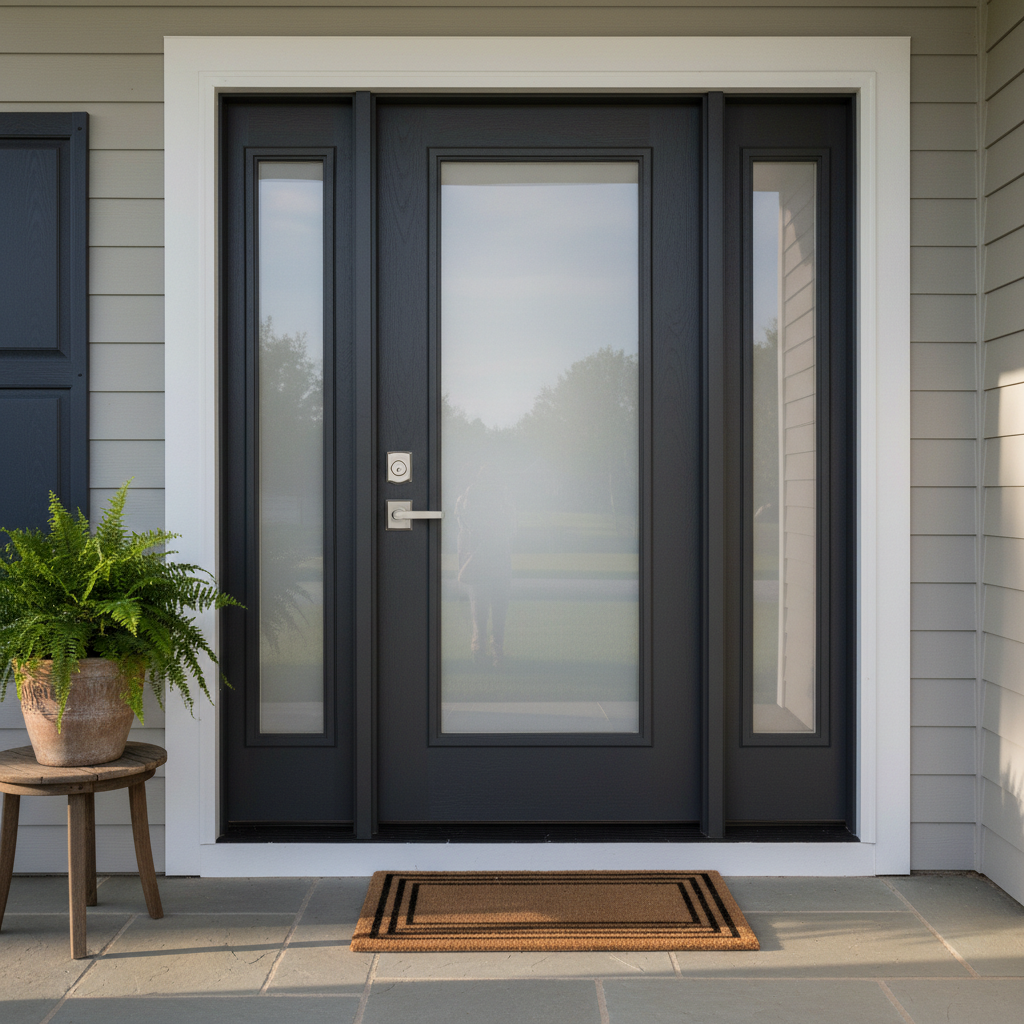
When considering an entry door replacement for your home in 2025, it's vital to understand the various types of entry doors available and their unique benefits. Fiberglass doors, for example, are increasingly popular due to their exceptional durability and energy efficiency. According to the Door and Window Manufacturers Association (DWMA), fiberglass doors can save homeowners an average of 15% on their heating and cooling costs, making them a wise financial choice in the long term.
Another option is steel entry doors, which offer a high level of security and often come with insulated cores to enhance energy performance. A recent study by the Remodeling magazine found that homeowners can recoup approximately 75% of the cost of a steel door upon resale, highlighting its value beyond mere aesthetics. Additionally, wood doors remain a classic choice, offering customization options and natural beauty, though they typically require more maintenance.
Tips: When choosing an entry door, consider your region's climate—fiberglass is ideal for extreme weather. Look into the door’s energy ratings, as a higher rating can significantly lower your utility bills. Lastly, assess your neighborhood for design trends; a well-chosen door can boost curb appeal and resale value.
Key Features to Look for When Selecting an Entry Door in 2025
When selecting an entry door for your home in 2025, several key features should be at the forefront of your decision-making process. First and foremost, energy efficiency is critical. According to the U.S. Department of Energy, exterior doors can contribute significantly to your home's energy loss, so opting for doors with an ENERGY STAR label can ensure better insulation and reduced energy bills. Look for doors made from insulated materials or with built-in thermal breaks for optimal performance.
Security is another vital aspect to consider. With increasing concerns about home safety, investing in a door with advanced locking systems and durable materials is essential. The National Burglar and Fire Alarm Association suggests that a solid wood or fiberglass door can deter break-ins more effectively than hollow-core options. Reinforced frames and multi-point locking systems provide added security and peace of mind.
Tips: Always measure your door frame accurately before shopping to avoid sizing issues. Additionally, consider the door’s style and color, as these elements can greatly influence your home’s curb appeal. Lastly, think about maintenance; choose materials that require less upkeep for longevity and value.
Top Materials for Entry Doors: Durability and Aesthetics
When considering an entry door replacement for your home in 2025, it is essential to focus on both durability and aesthetics. According to a report by the Door & Window Manufacturers Association (DWMA), fiberglass doors have gained prominence in the market due to their combination of strength and energy efficiency, boasting an average lifespan of over 30 years. With a growing emphasis on insulation, fiberglass doors can significantly enhance a home's energy performance, yielding savings of up to 20% on heating and cooling costs.
Wood has long been a traditional choice for entry doors, delivering unmatched beauty and character. However, the National Association of Home Builders (NAHB) reports that wood doors require regular maintenance to prevent warping and damage from the elements. For homeowners seeking low maintenance without sacrificing aesthetics, steel entry doors are an excellent option. The American Institute of Steel Construction notes that steel doors are not only resistant to weather and wear but also provide excellent security, making them a favorable choice for safety-conscious individuals.
By evaluating these materials, homeowners can select an entry door that enhances their home's curb appeal while ensuring lasting performance.
Energy Efficiency Ratings: Choosing Doors that Save You Money
When selecting an entry door replacement in 2025, energy efficiency ratings should be at the forefront of your decision-making process. An energy-efficient door not only enhances your home’s curb appeal but also plays a significant role in reducing your energy bills. Look for doors labeled with Energy Star certification, which indicates they meet stringent energy performance standards. These doors typically feature advanced insulation technology, reducing heat loss in winter and keeping your home cooler in summer.
Another important aspect to consider is the door's material. Fiberglass and steel doors usually offer better energy efficiency compared to traditional wood, as they resist warping and provide superior insulation. When assessing the energy efficiency ratings, pay attention to the U-factor and the Solar Heat Gain Coefficient (SHGC), as these metrics indicate how well the door minimizes heat transfer and solar heat absorption, respectively. Investing in a door with high energy efficiency ratings will not only improve your home’s comfort but will also contribute to long-term savings on energy costs.
Energy Efficiency Ratings of Entry Doors in 2025
This chart illustrates the energy efficiency ratings of various entry door types based on their performance in 2025. Choosing a door with a higher energy efficiency rating can lead to significant savings on energy bills over time.
2025 Trends in Entry Door Styles and Designs to Consider
As we move into 2025, homeowners seeking to replace their entry doors should pay close attention to the latest trends in styles and designs. One notable trend is the increasing popularity of automated entry doors. This advancement in technology not only enhances convenience but also elevates the aesthetic appeal of homes. Automated doors are becoming more accessible and affordable, making them an attractive option for those looking to upgrade their home’s entrance.
In addition to automation, eco-friendly materials and energy-efficient designs are gaining traction. Homeowners are now inclined towards doors made from sustainable materials that offer both style and durability, while also improving energy efficiency. The fusion of traditional and contemporary styles is also notable, allowing for personalized touches that reflect individual tastes. As consumers become more conscious of their environmental impact, the choice of entry doors will likely gravitate towards options that combine form, function, and sustainability.