How to Choose the Right Laser Cutting Machine for Your Needs?
Choosing the right laser cutting machine is crucial for any business or hobbyist. It can make a significant difference in production quality and efficiency. With various options available, it can be overwhelming to find the perfect fit. Each laser cutting machine has unique features, specifications, and price points.
Consider your specific needs. Are you cutting metal, wood, or acrylic? The material you plan to work with influences your choice. Power requirements vary for different materials. Additionally, think about your budget. High-end machines offer advanced features but can be costly. A more affordable option might lack some capabilities, which could impact your work.
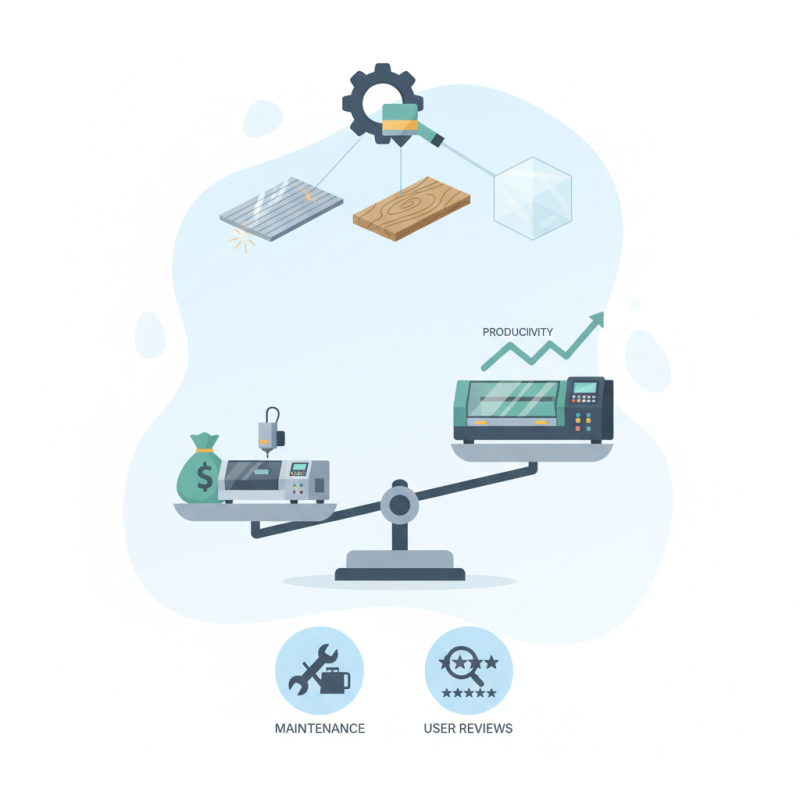
Balance quality and cost carefully. Research different brands and read user experiences. Some machines may perform well but have hidden flaws. User reviews can reveal insights. Don't just focus on initial costs; maintenance and performance are key elements too. A wise investment in a laser cutting machine today can pay off in the long run, enhancing your productivity and creativity.
Understanding Different Types of Laser Cutting Machines
When it comes to laser cutting machines, understanding the different types available is crucial. There are primarily three types: CO2, fiber, and solid-state laser cutters. CO2 lasers are excellent for non-metal materials. They excel in cutting acrylic, wood, and textiles. These machines are widely used in industries such as signage and crafts. Data from the Laser Institute indicates that CO2 lasers account for over 40% of the market in non-metal applications.
On the other hand, fiber lasers are gaining popularity in the metal cutting sector. They are noted for their efficiency and speed. Industry reports suggest that fiber lasers can cut through steel and aluminum with precision. They require less maintenance compared to CO2 lasers. This makes them appealing to manufacturers looking for long-term investment. However, fiber lasers may not perform well on non-metal materials. It's essential to consider the material you'll predominantly work with.
Solid-state lasers are less common but have their unique advantages. They are compact and energy-efficient but may come with a higher initial cost. When selecting a laser cutting machine, consider not just the price but also the type of materials you’ll need to cut. The decision can greatly impact your operational efficiency. Each machine has pros and cons, prompting manufacturers to reflect on their specific needs.
Evaluating Your Material Requirements for Laser Cutting
When evaluating material requirements for laser cutting, it's crucial to understand the properties of the materials you work with. Laser cutting is highly effective for materials like stainless steel, acrylic, and wood. Each material interacts differently with laser beams. For example, stainless steel requires higher power settings. Acrylic, on the other hand, produces cleaner cuts at lower speeds. A material’s thickness also impacts the cutting speed and quality. According to recent industry reports, thinner materials generally cut faster and more accurately, making them ideal for precise projects.
Consider the end-use of your products. If you're producing prototypes, the material choice should reflect your functional requirements. A study by a leading engineering firm indicated that 65% of manufacturers prefer using materials that balance cost and performance. It's worth noting that not all laser machines handle every material type well. Some machines may struggle with thicker plastics or certain composites. This inconsistency can lead to wasted time and resources.
Also, think about the finishing aspects of your materials. Certain surfaces may require additional treatments after laser cutting. Neglecting this can result in subpar products. In fact, about 30% of professionals report issues with surface quality. Material choice directly affects the entire production chain, from cutting capabilities to final applications. Understanding this relationship is vital for achieving optimal results in your projects.
Assessing Power and Speed Specifications for Optimal Performance
Choosing the right laser cutting machine often hinges on power and speed. The optimal power setting can greatly influence cutting efficacy, material types, and thickness. Machines generally offer power ranging from 40 watts to over 200 watts. For instance, cutting 1/4” acrylic effectively requires at least 60 watts. If power is too low, edge quality suffers. Cuts may be uneven or incomplete.
Speed specifications are equally critical. A machine that cuts too quickly may sacrifice precision. Studies show a balanced speed of about 10-20 inches per minute yields quality cuts on materials like wood and metals. However, every material behaves differently under varying speeds. For example, thicker metals need slower speeds for clean results, as high-speed cutting can lead to dross or burn marks.
When assessing machines, consider both power and speed together. A laser with high power but inadequate speed could create inefficiencies. Conversely, high-speed settings on low-powered machines can lead to poor-quality cuts. The perfect balance requires some experimentation and adjustment. Each application may demand different configurations, leading to a vital learning curve.
Considering Software Compatibility and Ease of Use
When selecting a laser cutting machine, software compatibility is crucial. You need software that works seamlessly with the machine. It should support common file formats like SVG, DXF, and PLT. This feature allows easy design transfers from your computer. Many machines come with their own software, but not all are user-friendly. Testing the software beforehand can save you from frustration later.
Ease of use is another important factor. The machine should have an intuitive interface. Look for models that offer guided setups and tutorials. Complicated machines can be overwhelming, especially for beginners. Consider how easy it is to adjust settings and make changes. A machine with a steep learning curve can hinder your projects.
It's worth noting that user reviews can reveal a lot. Check feedback from current operators regarding software experience. Some users may report bugs or issues with specific features. Recognizing these challenges can help you make an informed decision. Sometimes, less expensive machines won't have the best software options, leading to regrets down the line.
Laser Cutting Machine Features Comparison
Budgeting and Cost Factors When Choosing a Laser Cutter
When budgeting for a laser cutting machine, it’s crucial to understand not just the initial cost. Consider the long-term expenses like maintenance, materials, and operational costs. Sometimes, a lower-priced model may lead to higher costs later. Think about how often you’ll use it. Is it for a few projects or daily tasks? Frequent use means you might need a more durable, higher-end machine.
Evaluate the capabilities you require. Machines vary widely in power, speed, and functionality. Investing in features that match your needs is essential. You might find a good deal on a machine packed with features you don’t need. Additionally, factor in installation costs. Many machines require setup and calibration. Ignoring this can lead to unexpected expenses.
Lastly, consider the learning curve. Training may come with additional costs. If the machine is too complex, it may not be worth the savings. Calculate your return on investment based on your actual needs. Spend time evaluating your choices, as a hasty decision could cost you later.
How to Choose the Right Laser Cutting Machine for Your Needs? - Budgeting and Cost Factors When Choosing a Laser Cutter
| Machine Type | Average Cost | Material Compatibility | Cutting Thickness | Maintenance Level |
| CO2 Laser Cutter | $10,000 - $50,000 | Wood, Acrylic, Glass, Leather | Up to 25 mm | Medium |
| Fiber Laser Cutter | $20,000 - $100,000 | Metal, Plastic | Up to 20 mm | Low |
| Nd:YAG Laser Cutter | $15,000 - $70,000 | Metal, Ceramics | Up to 10 mm | Medium |
| Green Laser Cutter | $25,000 - $80,000 | Glass, Transparent Plastics | Up to 5 mm | Low |