How to Choose the Best House Doors for Your Home?
Choosing the right house doors is crucial for both aesthetics and security. Renowned architect Laura Simmons once said, "The front door is the first invitation a home offers." Her insight highlights the significance of house doors in creating a welcoming environment.
When selecting house doors, it's essential to consider various factors. The material, style, and security features play vital roles in making the right choice. For instance, solid wood doors provide strength and classic appeal. Meanwhile, fiberglass doors resist weather better than many options. Each choice influences not only appearance but also energy efficiency.
Reflecting on your needs is vital. Ask yourself what blends best with your home. Is it modern or traditional? Moreover, think about your budget and how long you intend to stay. These reflections guide you toward house doors that resonate with your lifestyle while ensuring safety.
Types of House Doors: Understanding Styles and Materials
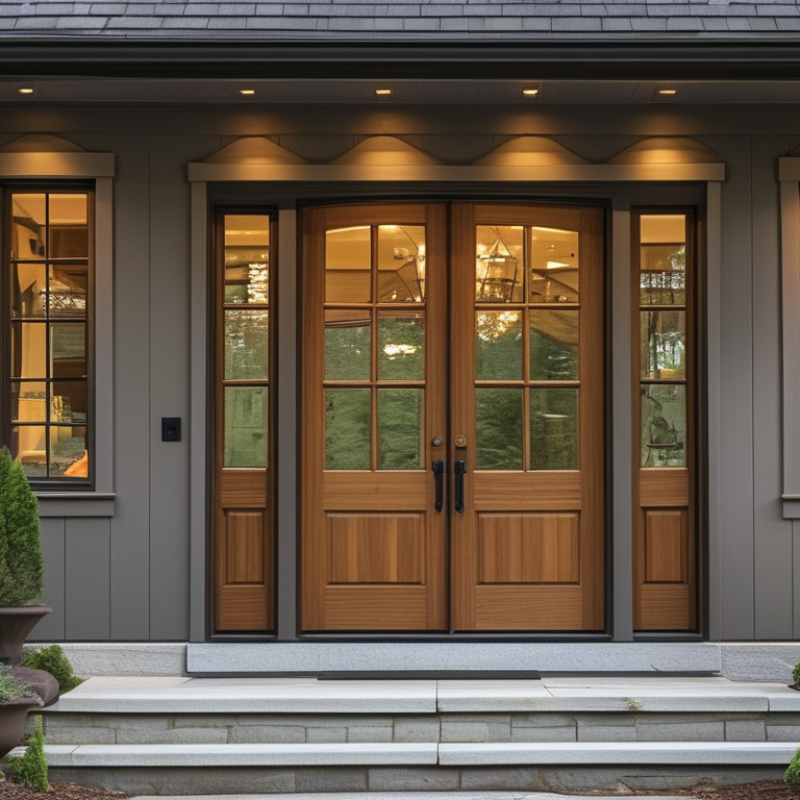
Choosing the right house doors is essential for both aesthetics and security. Doors come in a variety of styles and materials, each serving different purposes. Wooden doors can create a warm and inviting atmosphere. They offer versatility and can be customized easily. However, they can warp over time and may need regular maintenance.
On the other hand, fiberglass doors are gaining popularity. They mimic the appearance of wood but require less upkeep. They resist dents and scratches better than wood. Steel doors offer maximum security. They are strong but can rust if the paint is chipped. Additionally, aluminum doors are lightweight and resistant to corrosion but might lack insulation compared to other materials.
Consider the climate where you live. In humid areas, opt for materials that resist moisture. In windy locations, choose sturdy options that can withstand strong gusts. Reflect on your lifestyle and how much time you can dedicate to maintenance. Sometimes, the best choice is not the most visually appealing option but the one that fits your daily life needs. Make decisions based on function as well as form.
Factors to Consider When Choosing Doors for Your Home
Choosing the right doors for your home is crucial. Various factors come into play, from material to style. Consider the door’s energy efficiency. According to the U.S. Department of Energy, up to 30% of a home's heating and cooling energy can be lost through doors. A well-insulated door can reduce energy bills significantly.
Security is another essential factor. A report from the Bureau of Justice Statistics indicates that homes without secure doors are more vulnerable to break-ins. Choosing solid-core doors or those with deadbolts can enhance safety. Pay attention to the door frame and lock mechanism as well. While aesthetics matter, balance beauty with practical considerations.
Also, think about maintenance needs. Some materials require extensive upkeep, while others offer durability with minimal care. Fiberglass doors, for instance, are easier to maintain than wooden doors. Reflecting on these choices can ensure that you select doors that not only suit your style but also contribute to the overall safety and comfort of your home.
Energy Efficiency and Security Features in House Doors
When selecting house doors, energy efficiency and security are paramount. Energy-efficient doors help maintain a comfortable home temperature. They can significantly reduce heating and cooling costs. Look for doors with high insulation ratings. Materials like fiberglass or steel often outperform wood in energy retention. Consider options with double or triple-pane glass to minimize heat loss.
Security features also play a crucial role. Reinforced locks and multi-point locking systems are essential. They deter intruders, providing peace of mind. Additionally, sturdy frames add another layer of protection. Choose doors that meet local safety standards. Basic visual inspections of doors for wear and tear can reveal vulnerabilities. Be wary of overly decorative styles that may compromise security.
While aesthetics matter, don’t forget functionality. An attractive door might not always mean it’s secure or energy-efficient. Take time to assess potential choices. Public reviews and expert insights can guide you in making the right decision. But remember, the perfect door for one home might not suit another.
How to Measure Your Doorway for the Perfect Fit
Measuring your doorway accurately is essential for selecting the best house doors. A report by the American Architectural Manufacturers Association indicates that incorrect measurements lead to costly errors in installation. To avoid this, gather the right tools: a tape measure, a level, and a pencil.
Start by measuring the height of the doorway from the floor to the top frame. Ensure you take measurements at multiple points. Doors are often installed in older homes that may have settled unevenly. This might require adjusting your measurements. Width is next; check the space between the side jambs. A common mistake is assuming a standard size when the actual opening might differ. The average exterior door width is between 30 to 36 inches, but custom sizes are increasingly popular.
Height and width aren't the only considerations. Depth is crucial too, especially for entry doors. Standard door thickness varies from 1 3/4 inches for exterior doors to 1 3/8 inches for interior ones. Remember to account for any door frame moldings or additional hardware that may impact the fit. While these steps may seem straightforward, misjudgment in measurements can significantly affect your door selection process. Always double-check your figures for the best results.
Maintenance Tips for Keeping Your House Doors in Top Condition
Maintaining your house doors is crucial for both aesthetic appeal and security. Research by the National Association of Home Builders reveals that doors account for about 30% of a home's exterior. Proper care enhances their lifespan, which averages around 30 years, depending on material and environment. Here are some effective maintenance tips.
Regular inspection is essential. Check for signs of wear, such as peeling paint or rust spots. A simple touch-up paint job can protect against weather damage. Clean the door surface with mild soap and water to remove dirt and grime. This prevents the buildup of mold which can weaken the material over time.
Lubricating hinges is a key step often overlooked. A drop of oil can prevent squeaking and ensure smooth operation. Consider replacing any worn-out weather stripping. Well-sealed doors boost energy efficiency, supporting both comfort and lower utility costs. Performing these maintenance tasks regularly can enhance your door’s durability and appearance.