10 Entry Door Replacement Tips for Global Buyers?
Choosing an Entry Door Replacement can seem simple until the old frame is removed. Then hidden moisture, uneven walls, or a damaged sill may appear. Global buyers face added challenges. Climate, installation standards, shipping conditions, and local building requirements can vary widely.
Building-science expert Joseph Lstiburek has repeatedly warned, “Water is the enemy of buildings.” That brief statement deserves attention. A beautiful fiberglass or steel door cannot perform well if rain enters around the threshold. Buyers should examine the wall opening, drainage path, insulation, hinges, lockset, weather-stripping, and sill before selecting a product. Small details matter. A two-millimeter gap can become a cold draft. A poorly sealed corner can stain interior flooring after one storm.
These ten Entry Door Replacement tips focus on practical decisions, not showroom promises. They explain how to compare materials, confirm measurements, review energy performance, protect the door during international transport, and coordinate installation with qualified professionals. Yet no guide can remove every uncertainty. Product data may be incomplete, and installers may interpret instructions differently. That is where careful verification becomes essential.
Measure twice.
Ask for written specifications. Check the warranty’s regional limitations, finish-care requirements, and replacement-part availability. A door designed for a dry climate may struggle beside a coastal entrance. A dramatic glass panel may reduce privacy or increase maintenance. The best replacement is not always the most expensive one. It is the one that fits the opening, climate, building, and daily habits reliably.
Assess Your Entry Door Needs and Replacement Goals
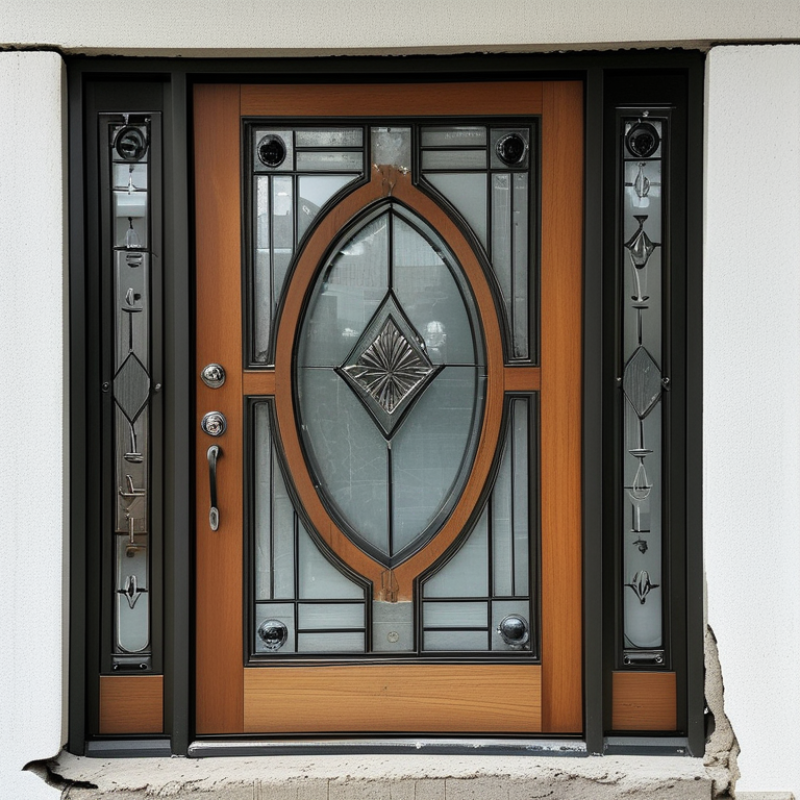
Before choosing a replacement, define the problem at your entrance. Is the door swollen, difficult to lock, drafty, noisy, or simply outdated? Measure the opening, wall thickness, swing direction, threshold height, and clearance for furniture. Small errors create expensive delays. A door can look beautiful and still fail in heavy rain.
Security and weather control often lead the decision. The U.S. Energy Information Administration’s 2020 Residential Energy Consumption Survey found that space heating and cooling use roughly half of household energy. A poorly sealed entry door may increase that burden, especially in extreme climates. Check the door’s U-factor, air-leakage rating, weather seals, glazing, and threshold design. Regional standards differ, so confirm performance requirements with a qualified local installer.
Budget goals need honest review. The 2024 Cost vs. Value industry report found that steel entry-door replacement delivered very high resale-cost recovery in the United States. That figure is useful, but not universal. Labor rates, import duties, climate, and housing markets can change the result. I would not replace a sound door only for appearance. Sometimes repainting, adjusting hinges, or replacing seals solves the real problem. Yet security concerns deserve faster action. Test the lock, inspect frame damage, and note daylight around the edges. Imperfect measurements happen. Careful reassessment prevents them from becoming costly mistakes.
10 Entry Door Replacement Tips for Global Buyers
Assess Your Entry Door Needs and Replacement Goals
Before ordering a replacement entry door, measure the existing opening carefully. Common nominal single-door widths are 30, 32, and 36 inches, while 80 inches is a common residential door height and 96 inches is frequently used for taller openings. Always verify the rough opening, frame depth, swing direction, threshold height, local building requirements, and climate-related energy performance before purchase.
Compare Door Materials, Styles, Security, and Energy Performance
10 Entry Door Replacement Tips for Global Buyers
Choosing an entry door starts with the local climate, not appearance alone. Fiberglass resists moisture well, while solid wood offers warmth and distinctive grain. Steel can provide strength, but exposed edges may need careful protection in wet regions. Check the frame material too. A durable door can still fail through a weak or poorly sealed frame.
Match the style to the building’s architecture and daily use. A wide glazed door brings daylight, but clear glass may reduce privacy. Consider laminated or textured glazing for added protection. Multi-point locks, reinforced strike plates, and heavy-duty hinges can improve security. However, hardware quality matters more than the number of visible locks. Small gaps matter. Ask for tested resistance ratings and confirm they suit local requirements.
Energy performance depends on the complete entrance system. Look for insulated cores, tight weatherstripping, thermal breaks, and low air leakage. In hot climates, shaded glass can reduce indoor heat. In cold climates, a low-conductivity frame helps limit drafts. Measure the opening twice, including wall thickness and threshold height. Replacement work often exposes uneven masonry, so installation details deserve as much attention as the door itself. A perfect product cannot correct careless fitting. Yet buyers sometimes focus too heavily on specifications and overlook repair access, cleaning needs, or delivery conditions. Discuss these practical points with a qualified installer before ordering.
Verify Global Sizes, Building Codes, and Installation Requirements
10 Entry Door Replacement Tips for Global Buyers
Verify Global Sizes, Building Codes, and Installation Requirements
A replacement door rarely fits every market without adjustment. Measure the rough opening, wall thickness, sill height, and frame depth in millimeters. Record the opening at three points, because older walls often lean slightly. The door leaf, frame, hinges, and threshold must match as one system. Metric dimensions may still differ between neighboring countries.
Check local building codes before ordering. These rules may cover fire resistance, emergency exits, accessibility, weather protection, thermal performance, and glass safety. Coastal regions can require stronger corrosion resistance, while cold climates may demand lower heat transfer. Ask a licensed local professional to confirm requirements. Online measurements are not enough.
Installation details matter just as much as the product size. Confirm the wall structure, drainage path, fastener type, insulation method, and door swing direction. Some buildings need a raised threshold or special flashing around the frame. Keep the manufacturer’s technical drawings and local approval documents available for installers. Customs paperwork can also require accurate material and size descriptions.
A useful site lesson is simple: measure twice. I once found that a seemingly correct opening included old trim, not structural space. That mistake changed the frame size. Small errors become expensive after shipping. Leave suitable adjustment space, but never guess the tolerance. Local installers may identify conditions that a remote seller cannot see. Perfect plans still meet imperfect walls.
Evaluate Suppliers, Certifications, Warranties, and Total Costs
10 Entry Door Replacement Tips for Global Buyers
Evaluate suppliers beyond polished catalogs. Request factory photos, production records, sample doors, and recent customer references. Ask who makes the frame, hardware, glass, and weather seals. A capable supplier should explain tolerances, moisture protection, lead times, and inspection procedures clearly. Measure the opening twice, including wall thickness, sill height, and swing direction. Confirm packing dimensions before booking freight. Small errors can create expensive delays.
Check certifications against your destination market, not only the supplier’s sales documents. Request current certificates, test reports, and traceable laboratory details. Verify performance for air leakage, water resistance, wind pressure, fire safety, or thermal efficiency when relevant. Certificates may cover one model, not every custom version. That detail matters. On a previous sourcing project, I underestimated hardware compatibility and paid for replacement parts. The mistake was mine.
Read the warranty line by line. Confirm coverage periods, labor responsibilities, exclusions, claim evidence, and response times. Ask whether installation must be completed by qualified professionals. Calculate the total landed cost, including tooling, packaging, freight, insurance, duties, taxes, unloading, installation, disposal, and spare parts. Compare payment terms and currency risks. Keep a written specification with drawings and approval samples. A cheaper quotation can hide thinner steel, weaker seals, or limited after-sales support. Leave room for testing. Real projects rarely follow the first estimate.
| # | Evaluation Dimension | What to Verify | Recommended Buyer Action | Typical Cost or Benchmark | Main Risk if Ignored |
|---|---|---|---|---|---|
| 1 | Confirm the Opening Measurements | Measure the rough opening, finished opening, wall thickness, sill height, handing, threshold clearance, and frame depth. Record measurements in millimetres. | Request a dimensioned shop drawing before production. Confirm whether the quoted size refers to the door leaf, frame, or complete rough-opening assembly. | Measurement error can require a new frame, rework, or return freight; the cost may exceed the original installation allowance. | The door may not fit, may leak air or water, or may require expensive on-site alterations. |
| 2 | Compare Door Materials | Compare steel, aluminium, fibreglass, and solid-wood constructions for corrosion resistance, insulation, maintenance, weight, and local climate suitability. | Ask for the complete material specification, including skin thickness, core type, frame material, finish system, and hardware grade. | Material-only prices vary widely by size and specification; compare the complete door set rather than the slab alone. | A low purchase price may result in premature corrosion, warping, poor thermal performance, or higher maintenance costs. |
| 3 | Check Thermal Performance | Review U-value or U-factor, air leakage, weatherstripping, insulated cores, thermal breaks, and glazing performance where applicable. | Request test reports using recognized methods such as ISO, EN, ASTM, or local building-code procedures. Compare the whole door assembly, not only the glass. | A higher-performance assembly usually increases upfront cost but can reduce heating and cooling demand over its service life. | The replacement may fail energy requirements or create drafts, condensation, and uncomfortable interior temperatures. |
| 4 | Verify Water and Air Resistance | Check water penetration, air leakage, wind-load performance, drainage design, sill construction, gaskets, and threshold details. | Request the applicable laboratory test report and installation instructions. Confirm the tested configuration matches the proposed size, glazing, and hardware. | Coastal, hurricane-prone, or high-rainfall locations may require upgraded thresholds, drainage, finishes, and fastening systems. | Water intrusion can damage flooring, wall assemblies, insulation, and interior finishes. |
| 5 | Evaluate Security Features | Review lock type, cylinder format, multipoint locking, hinge security, strike reinforcement, laminated glazing, and frame anchoring. | Specify the required security level and ensure the lock, cylinder, keys, and replacement parts are available in the destination market. | Security hardware, laminated glass, reinforced frames, and multipoint systems add cost compared with basic single-point hardware. | The door may meet appearance expectations but provide inadequate resistance to forced entry or difficult future servicing. |
| 6 | Validate Certifications and Standards | Look for relevant product testing and conformity documentation, such as CE marking where applicable, UKCA where applicable, fire-rating reports, impact tests, or local code approvals. | Verify certificate scope, issuing laboratory, test date, product model, size limits, and whether the document applies to the complete door assembly. | Testing, certification, translation, and local approval fees may be separate from the quoted product price. | Missing or invalid documentation can cause customs delays, failed inspections, rejected projects, or liability exposure. |
| 7 | Audit Supplier Capability | Assess production capacity, quality-control procedures, export experience, traceability, packaging standards, sample consistency, and response time. | Request factory photographs or a third-party audit, production samples, inspection records, references from comparable markets, and a written quality plan. | Independent pre-shipment inspection commonly adds a modest project cost but can reduce the risk of receiving nonconforming goods. | A supplier may outsource critical components, change materials without notice, or lack the capacity to support repeat orders. |
| 8 | Read the Warranty Terms | Check warranty duration, coverage for finish, frame, hardware, glass, seals, and operation, plus exclusions for installation, salt air, misuse, and normal wear. | Require the warranty in the sales contract. Confirm claim procedures, evidence requirements, replacement-part availability, labour coverage, and response times. | A longer warranty is valuable only when replacement parts, service channels, and enforceable terms are available in the destination market. | A defect may be technically covered but practically unrecoverable because freight, labour, or documentation is excluded. |
| 9 | Calculate the Landed Cost | Include product price, tooling, packaging, inspection, inland transport, ocean or air freight, insurance, duties, taxes, customs brokerage, storage, and local delivery. | Compare quotations using the same Incoterm, currency, quantity, delivery location, lead time, packaging specification, and payment conditions. | The landed cost can be substantially higher than the factory quotation once freight, import charges, taxes, and installation are included. | A seemingly cheap supplier may become more expensive after logistics, customs, rework, and local compliance costs. |
| 10 | Plan Installation and After-Sales Support | Confirm installation tolerances, anchoring details, flashing, sealants, threshold preparation, adjustment procedures, spare parts, and technical support. | Obtain an installation manual and training materials. Use qualified local installers and approve a pre-installation checklist before delivery. | Installation, removal of the old door, disposal, trimming, waterproofing, and interior finishing are usually separate from the door quotation. | Poor installation can void the warranty and cause air leakage, water entry, binding, security problems, or premature failure. |
Plan Shipping, Installation, Maintenance, and Long-Term Use
Global buyers should measure the rough opening, wall thickness, swing direction, threshold height, and hardware position before ordering. Confirm packaging dimensions and shipping weight with the supplier. Specify moisture-resistant crating, corner protection, and indoor storage after delivery. Photograph the crate before opening, then inspect glass, finish, hinges, and the slab immediately. Do not install a visibly twisted door. Customs delays and humid voyages can change the schedule, so keep spare sealant and fasteners locally.
Installation quality controls long-term performance. The frame must be square, plumb, and level before permanent fastening. Use a sill pan, compatible flashing, and low-expansion foam around the frame. Follow the specified fastener spacing, especially in windy regions. A beautiful door can still leak. ENERGY STAR reports that air sealing can save 10% or more on annual household energy bills. Test the latch, reveal gaps, and weatherstripping after installation. If the door drags, correct the frame instead of forcing the hinges.
Maintenance should match the local climate. Inspect seals, hinges, drainage paths, and threshold screws twice yearly. Clean salt deposits near coastal homes with fresh water, then dry the hardware. Recoat exposed timber when the finish begins to dull or crack. Check the door after the first wet season; small movement is possible. The International Energy Agency’s 2023 buildings report states that buildings used 30% of global final energy in 2022. That makes careful sealing more than cosmetic. I would not promise identical service life everywhere. Installation, weather, and maintenance often matter as much as the door material.
Related Posts
-
Exploring After-Sales Benefits and Maintenance Costs: The Future of Best Entry Doors
-

Navigating the Future: A Comprehensive Guide to the Best Entry Doors Innovations for 2025
-

Exploring the Unique Features of Various Home Door Styles and How to Choose the Right One
-

How to Choose the Perfect Residential Door for Your Home Decor
-
2026 Best House Doors for Your Home Needs and Style?
-
Enhancing Home Security: The Benefits of Entry Door Replacement Solutions