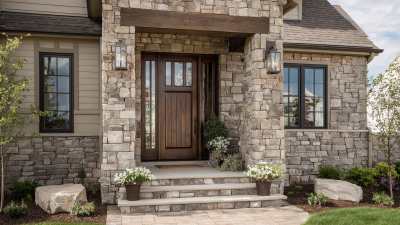
What Is Entry Door Replacement and How Much Does It Cost?
Entry Door Replacement is more than removing an old door and installing a new one. It can improve security, energy efficiency, appearance, and daily comfort. A worn entry door may show swelling, cracked weatherstripping, loose hinges, or daylight around the frame. These small signs often point to larger installation problems.
The total cost commonly ranges from several hundred to several thousand dollars. Door material, size, glass panels, hardware, labor, and frame repairs all affect the final price. Fiberglass doors often balance durability and maintenance. Solid wood offers warmth and character, but it may require more care. Steel doors can provide strength, although dents and rust may become concerns. Local labor rates also matter. A professional assessment is valuable because a beautiful door cannot perform well inside a damaged frame.
This guide explains what Entry Door Replacement involves and how contractors usually build an estimate. It also considers removal, disposal, insulation, trim, locks, and finishing work. Ask for an itemized quote. Confirm whether permits, disposal, and interior repairs are included. Costs can change after the old door is removed. That part is easy to overlook. A neat estimate may still miss hidden rot or uneven masonry. Careful measurements and written specifications reduce unpleasant surprises. Still, no guide can replace an on-site inspection. Your climate, home design, and security needs should shape the final decision. The cheapest option is not always the most reliable one.
What Entry Door Replacement Involves
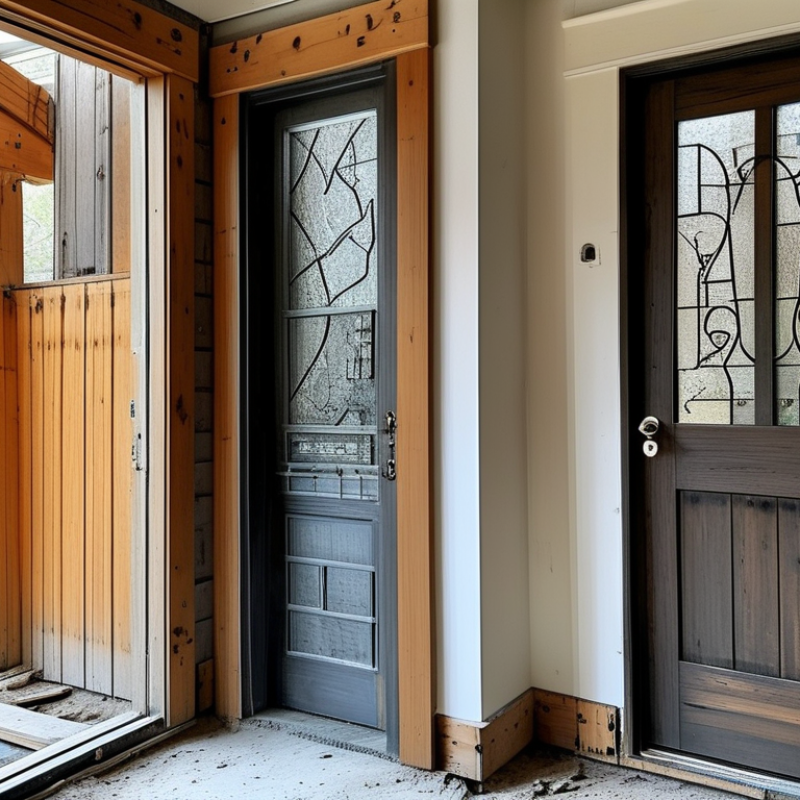
Entry door replacement involves more than removing an old door and installing a new one. A professional usually inspects the frame, threshold, hinges, lock area, and surrounding wall. Small problems can hide behind the trim. Moisture damage is common near the bottom corners.
The process begins with accurate measurements. The installer checks the opening width, height, depth, and swing direction. They also examine whether the frame is square. If the opening is uneven, shims may be needed for proper alignment. The old door is removed carefully to protect nearby drywall and flooring. The new unit is then positioned, fastened, insulated, and tested. The latch should engage smoothly without forcing the handle.
Weather sealing deserves close attention. A narrow gap can allow drafts, insects, and rainwater to enter. The threshold must sit firmly against the floor, while exterior sealant should cover exposed joints. I have found that rushed caulking often creates problems months later. It looks acceptable at first.
Replacement cost depends on the door material, glass, hardware, frame condition, labor, and disposal. A basic replacement may cost less when the existing opening is sound. Structural repairs, custom measurements, or upgraded security features can raise the final quote. Ask for an itemized estimate. It should identify materials, labor, removal, finishing, and possible repair allowances. A second inspection is worthwhile if the first quote seems unusually vague.
When to Replace an Entry Door
An entry door should be replaced when damage affects safety, comfort, or daily operation. Cracks, swelling, soft wood, and rust around the frame are clear warning signs. A door that sticks during humid weather may have moisture damage or a shifting frame. Persistent drafts also deserve attention. The U.S. Department of Energy recommends inspecting weatherstripping and sealing air leaks before replacing the entire unit. However, repeated repairs can become false savings.
Energy loss is not the only concern. If the lock feels loose, the hinges sag, or the frame no longer closes tightly, replacement may improve security. Glass that is foggy between panes usually indicates failed seals. The 2024 Cost vs. Value Report estimated an average steel entry door replacement at about $2,355 nationally. It reported a resale value near $4,430, or 188.1% cost recouped. These figures vary widely by location, labor, size, and materials. They are useful benchmarks, not promises.
Tips: Check the threshold, frame, hinges, and weatherstripping together. A new slab will not solve a damaged frame. Ask an experienced installer to measure the rough opening before ordering. I have seen homeowners replace a beautiful door while ignoring water stains above it. That mistake can return quickly. Also, energy savings may be modest if nearby windows or wall insulation remain weak. Repair can be wiser in some cases, but delaying a visibly failing door rarely makes the project cheaper.
Types of Entry Doors and Key Material Choices
Entry door replacement means removing the existing unit and installing a new slab, frame, hinges, lockset, and weather seals. The right choice depends on security, climate, maintenance, style, and the opening’s exact dimensions. A standard single door suits most homes. Double doors create a wider, formal entrance. Sidelites add daylight, while half-glass designs balance privacy and visibility.
Fiberglass is a practical choice for many homeowners. It resists moisture, dents less easily than wood, and can mimic painted or stained grain. Steel usually offers strong security and a lower purchase price. However, damaged coatings may allow rust, especially near wet thresholds. Wood provides warmth and can be repaired, but it needs regular sealing. It looks excellent. It is not carefree. Aluminum doors resist corrosion and suit modern, glass-heavy designs, though insulation varies by construction.
In many U.S. markets, replacement costs roughly $500 to $4,500, including labor. Fiberglass and steel often cost less than custom wood systems. Labor rises when the frame is rotten, the opening is unusual, or sidelites require structural changes. A professional should measure width, height, wall depth, swing, and threshold condition before ordering. Even careful planning can miss an uneven floor or hidden moisture. I would not choose from appearance alone; a beautiful door can leak air when installed poorly. Ask for an itemized quote and written warranty terms.
What Is Entry Door Replacement and How Much Does It Cost? – Types of Entry Doors and Key Material Choices
| Door Type or Material |
Typical Installed Cost (USD) |
Typical Service Life |
Energy Efficiency |
Maintenance Needs |
Key Advantages |
Common Limitations |
| Steel Entry Door |
$700–$2,500 |
15–30 years |
Good when insulated with a polyurethane foam core |
Low; inspect paint and rust-prone areas periodically |
Strong security, good value, and resistance to warping |
Can dent; exposed edges may rust if the protective finish is damaged |
| Fiberglass Entry Door |
$900–$3,500 |
20–40 years |
Very good with an insulated core and effective weatherstripping |
Low; clean and refinish according to the exterior coating requirements |
Resists moisture, dents, corrosion, and temperature-related movement |
Usually costs more than basic steel; damaged surface repairs can be difficult |
| Solid Wood Entry Door |
$1,200–$5,000+ |
20–60 years with regular care |
Moderate; performance depends heavily on thickness, seals, and construction |
High; requires sealing, staining, or painting to limit moisture absorption |
Natural appearance, repairable surface, and many custom design options |
More vulnerable to moisture, swelling, shrinking, and seasonal movement |
| Engineered Wood Entry Door |
$1,000–$4,000 |
20–40 years |
Moderate to good, depending on the core and panel design |
Moderate; exterior finishes need periodic inspection and renewal |
Wood-like appearance with improved dimensional stability |
Still requires moisture protection and can be costly when highly customized |
| Insulated Glass Entry Door |
$1,000–$4,000 |
15–30 years |
Good when using double-pane, low-emissivity glazing |
Low to moderate; check seals, frame finish, and hardware |
Brings daylight into the entryway and can provide outdoor visibility |
Glass can increase cost, reduce privacy, and require appropriate security glazing |
| Single Entry Door |
$700–$3,000 installed |
15–40 years, depending on material |
Generally the most efficient entry configuration because it has fewer moving parts and joints |
Low to moderate |
Lowest purchase and installation cost; fits most standard openings |
Provides less opening width for moving large furniture |
| Double Entry Door |
$1,800–$6,000+ installed |
15–40 years, depending on material |
Moderate; the center meeting point requires careful weather-sealing |
Moderate; alignment and hardware should be checked regularly |
Wider access, strong architectural impact, and useful for large entry halls |
Higher material and labor cost; more potential air-leakage points |
| Entry Door with Sidelight |
$1,200–$4,500+ installed |
15–40 years, depending on material |
Moderate to good with insulated glass and properly sealed frames |
Low to moderate |
Adds natural light and can make a narrow entrance feel larger |
More glass increases price, privacy considerations, and installation complexity |
|
Cost note: The ranges are broad U.S. estimates for a standard replacement project, including the door, frame, basic hardware, removal of the old unit, and professional installation. Actual pricing varies with door size, glass, hardware, structural repairs, finish, location, and local labor rates. Replacing only the door slab may cost less, while changing the frame or enlarging the opening can substantially increase the total.
|
The Main Steps in the Replacement Process
What Is Entry Door Replacement and How Much Does It Cost?
Entry door replacement starts with a careful inspection, not a shopping decision. A contractor checks the frame, threshold, hinges, weather seals, and nearby wall for moisture. Accurate measurements include width, height, jamb depth, and the rough opening. Measure twice. Small errors matter.
The next step is choosing a replacement unit, often a pre-hung door with its frame attached. The installer removes the old door without damaging the surrounding trim. They then inspect the opening for rot, level the sill, and install flashing where needed. The new frame must remain square and plumb. Shims hold it steady while screws secure it to the structure. Low-expansion foam fills small gaps, while exterior-grade sealant blocks wind and rain. The latch and hinges need adjustment. The door should close gently, without rubbing or forcing.
A final inspection tests the lock, sweep, weatherstripping, and swing. I have seen beautiful doors perform poorly because installers skipped this stage. Do not guess. The 2024 national Cost vs. Value report lists an average steel entry door replacement cost of about $2,355 and an estimated resale value of $4,430. That represents roughly 188% cost recovery, although local labor, framing repairs, glass, and hardware can change the figure sharply. These averages are useful benchmarks, not promises. Even experienced installers can miss hidden moisture behind old trim, so a realistic estimate should include a repair allowance.
Entry Door Replacement Costs and Pricing Factors
Entry door replacement involves removing the existing door, checking the frame, and installing a new door system. The system may include the slab, jamb, threshold, weatherstripping, locks, and trim. A straightforward replacement often costs $500 to $2,500. Complex projects can exceed $5,000. Size, material, labor rates, and regional conditions strongly affect pricing.
According to the 2024 Cost vs. Value Report, a steel entry door replacement averaged $2,355 nationally. The reported resale value reached $4,430, representing a 188.1% cost recovery. This figure is useful, but imperfect. It reflects a defined project scope, not every home. Fiberglass and wood doors may cost more because of finish quality, custom sizing, glass panels, or decorative sidelights. A damaged frame can add several hundred dollars. Disposal, trim repairs, permits, and upgraded hardware can also change the final estimate.
Tips: Request itemized quotes from at least three qualified installers. Confirm whether labor includes frame correction, haul-away, insulation, and final adjustments. Test the lock and sweep before payment. A low bid may hide missing work. Ask about the door’s energy-performance rating, warranty terms, and moisture resistance. Measure twice. Order once.
Entry Door Replacement Costs by Material
Typical installed replacement costs for a standard residential entry door. Estimates include the door unit, basic installation, removal of the old door, and minor adjustments. Actual prices vary by size, style, hardware, labor rates, and structural repairs.
Estimated total cost range: materials and installation combined; custom designs, sidelights, transoms, and major frame repairs can increase the final price.