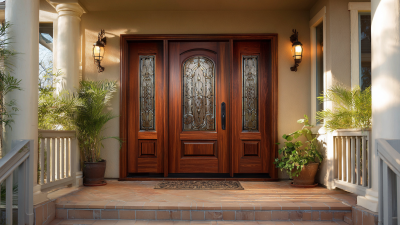
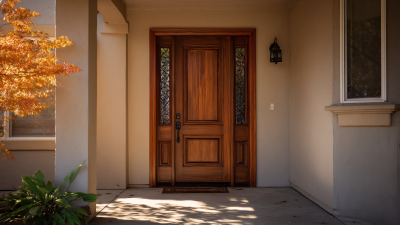
What is a Fiberglass Exterior Door and Why Choose One?
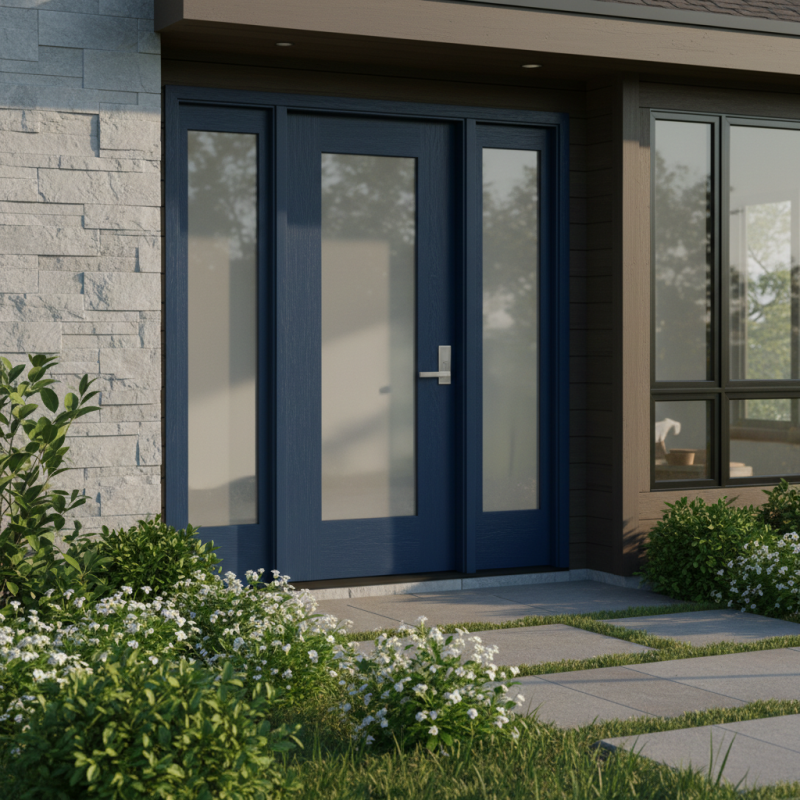
Fiberglass exterior doors are gaining popularity among homeowners. They offer a unique blend of durability and aesthetics. Made from reinforced fiberglass, these doors resist warping and cracking better than wood.
In terms of energy efficiency, fiberglass exterior doors perform exceptionally well. They provide excellent insulation, keeping homes warm in winter and cool in summer. Many styles and finishes allow for personalization. This versatility appeals to many tastes and preferences.
Choosing fiberglass may require some reflection. They can be more expensive initially compared to traditional materials. However, their longevity and low maintenance costs often offset this price. Homeowners should weigh these factors carefully. In conclusion, fiberglass exterior doors stand out as practical and stylish options for any home.
What is a Fiberglass Exterior Door?
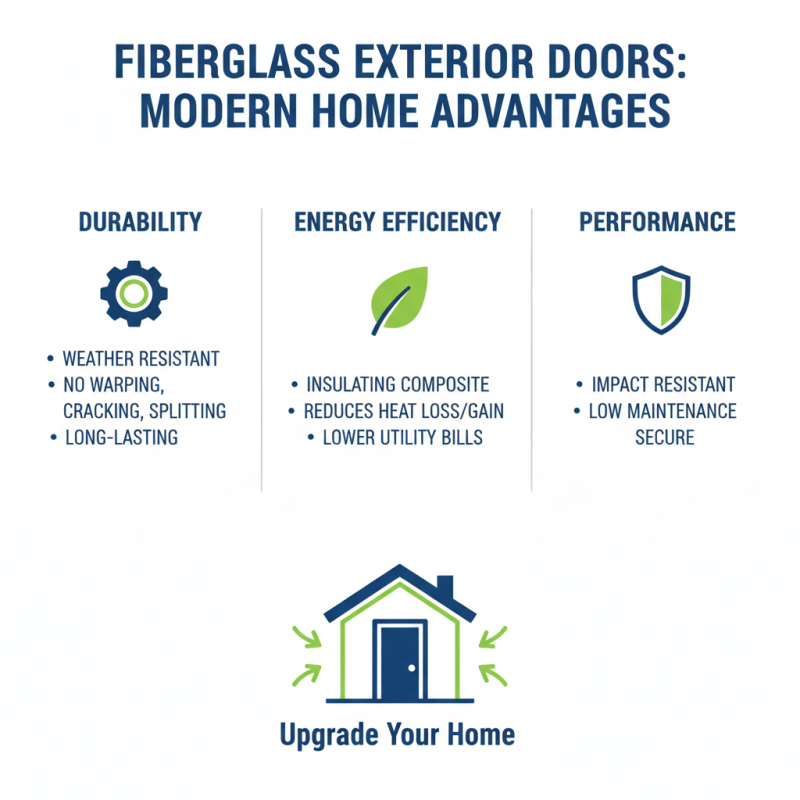
Fiberglass exterior doors are becoming increasingly popular in modern homes. These doors are made from a composite material that includes fiberglass, making them both durable and energy-efficient. According to industry reports, fiberglass doors can resist severe weather conditions better than traditional wooden doors. They are less likely to warp, crack, or split.
One of the key advantages of fiberglass doors is their insulation properties. They can help maintain the interior temperature, reducing energy costs. Research indicates that homes with efficient entry doors can save up to 15% on energy bills. This can make a significant difference, especially in extreme climates.
When considering a fiberglass door, keep a few tips in mind. Look for options with high R-values for better insulation. Check if the door has proper weather stripping to minimize drafts. Additionally, consider the design and color, as aesthetics matter too. Some homeowners may overlook the importance of maintenance, but it’s crucial to regularly check for signs of wear. Small issues can become bigger problems if ignored down the line.
Key Advantages of Choosing Fiberglass Doors Over Wood and Steel
Fiberglass exterior doors are becoming increasingly popular in modern architecture. They offer a unique blend of durability and aesthetic appeal. Unlike wood, fiberglass does not warp or shrink over time. This material is also resistant to dents and scratches, making it ideal for high-traffic areas. A study from the Door and Access Systems Manufacturers Association (DASMA) notes that fiberglass doors can last up to three times longer than traditional wooden options.
Energy efficiency is another crucial advantage. According to the U.S. Department of Energy, fiberglass doors provide better insulation than steel or wood doors. They can significantly reduce heating and cooling costs, which is a substantial benefit for homeowners looking to lower their energy bills. This is particularly important as energy prices continue to rise. Additionally, fiberglass doors are often designed to mimic the look of real wood, allowing homeowners to enjoy a classic aesthetic without the maintenance worries.
However, not all fiberglass doors are perfect. Initial costs can be higher than wooden alternatives. Homeowners must consider the long-term investment. Additionally, while fiberglass is durable, some models may become discolored or fade over time. Potential buyers should thoroughly research options before making a decision. It's essential to weigh these factors against the benefits to find the right fit for each home's unique needs.
Durability and Maintenance: How Fiberglass Doors Stand the Test of Time
Fiberglass exterior doors are becoming a popular choice among homeowners. They offer a unique blend of aesthetics and functionality. One key advantage is their durability. Unlike wood, fiberglass does not warp or rot. This makes them a smart investment, especially in harsh climates. Rain, snow, or sun exposure won’t affect their performance much.
Maintenance is minimal. A fiberglass door can be cleaned easily with soap and water. It requires no staining or sealing, which saves time and effort. However, if neglected, the finish might fade over time. Regular inspections help maintain their appearance. Check for any scratches or scuffs on the surface. Addressing these issues promptly is important to prolong their life.
Although they are highly durable, fiberglass doors can still crack if subjected to heavy impact. This is a point to consider. They are sturdy, but not indestructible. Choosing the right color or finish can also be challenging, as it may not match your home's style perfectly. It's worth reflecting on these aspects before making a decision.
Energy Efficiency: Insulation Benefits of Fiberglass Doors
Fiberglass exterior doors are becoming a popular choice for many homeowners. One significant advantage is their energy efficiency. Unlike traditional wood doors, fiberglass doors provide excellent insulation. They can help maintain a stable indoor temperature, keeping your home warm in winter and cool in summer.
The insulation benefits of fiberglass doors stem from their construction. These doors often have a core filled with foam, enhancing their thermal efficiency. This means less energy is needed for heating and cooling, which could lower your utility bills. However, not all fiberglass doors are created equal. Some may not perform as well as others when it comes to insulation. It is essential to check the specifications before making a choice.
Moreover, fiberglass doors are less prone to warping and cracking, unlike wood. This durability is an added bonus. However, ensuring a proper installation is crucial for maximizing energy efficiency. A poorly installed door can lead to drafts and energy loss. Homeowners should reflect on their choices and consider long-term benefits over initial costs.
Cost-Effectiveness: Long-term Savings with Fiberglass Exterior Doors
Fiberglass exterior doors offer an impressive combination of durability and cost-effectiveness. They resist environmental factors like moisture and temperature fluctuations. This makes them perfect for various climates. Unlike traditional wood doors, fiberglass doors don’t swell or warp. They maintain their appearance over time, which is a significant advantage.
Investing in fiberglass doors can lead to long-term savings. They require less maintenance than wood or metal options. Homeowners save money on repairs and replacements. Fiberglass doors also have excellent insulation properties. This helps in reducing energy bills, particularly during extreme weather. However, the initial cost might be higher. It’s essential to weigh these factors against long-term benefits.
It's worth noting that not all fiberglass doors are created equally. Some may lack the aesthetic appeal compared to wood. Others might not offer the same level of customization. Finding the right balance between style and efficiency can be challenging. Still, the potential savings and durability make fiberglass doors a worthwhile consideration for many homeowners.