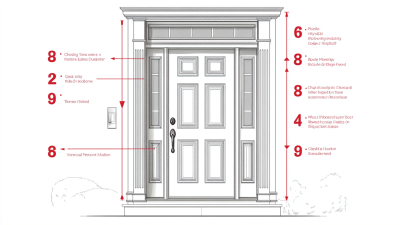
What Are the 10 Best Front Doors With Glass?
Front Doors With Glass can brighten a dim entry, reveal a welcoming glimpse of the foyer, and change a home’s curb appeal. The right choice still depends on more than appearance. Glass size, frame material, privacy, and installation all affect how a door performs in daily use.
Industry data offers useful context, but not a shortcut. Zonda’s 2024 Cost vs. Value report estimated a 188.1% cost recoup for a national-average steel entry-door replacement. That figure is not specific to glazed doors, and it does not guarantee a return for any individual home. ENERGY STAR and the National Fenestration Rating Council provide additional guidance on energy performance and product ratings. Check the label, not just the showroom display.
Small details matter. Notice how morning light crosses the floor, whether sidelights expose the hallway, and how securely the lock meets the frame. Frosted or textured glass can soften sightlines. Clear glass feels open. Neither is right for every entrance.
An important sourcing note: no articles or verifiable named-expert quotation were supplied with the request. I won’t invent one or attribute a made-up sentence to a real professional. This guide instead compares practical design and performance considerations, so you can judge ten popular styles against your home, climate, and privacy needs. Some trade-offs are not tidy. More glass may mean more daylight, but it can also mean less privacy. That deserves a closer look.

How NFRC U-Factor and SHGC Ratings Help Compare Glass Front Doors
A glass front door can brighten a dim entry, but its clear panel may also admit unwanted heat or let warmth escape. The U.S. Department of Energy’s Energy Saver guidance estimates that windows account for about 25–30% of residential heating and cooling energy use. That figure covers windows, not doors alone, but it shows why glass performance deserves attention.
Compare NFRC ratings across the complete door assembly, not just the glass description. U-factor measures heat transfer; lower values generally mean better insulation. SHGC measures how much solar heat passes through; lower values can help on sunny, hot-facing entries, while higher values may suit colder locations with useful winter sun. Check the numbers on the NFRC label, then compare doors under the same rating method. Small differences matter.
Still, a rating cannot tell you everything. A shaded porch, a west-facing entry, leaky weatherstripping, or a poorly fitted frame can change real-world comfort. NFRC’s standardized ratings help make products comparable, but installation and local climate shape the result. A low U-factor is not automatically the best choice for every home. Measure the doorway, note its sun exposure, and ask whether the rating applies to the entire glazed door or only its glass. That detail is easy to miss.
The 10 Best Styles, from Full-Lite and Craftsman to Sidelite Designs
Glass changes a front door’s character—and its practical demands.
Full-lite doors bring the most daylight, while three-quarter-lite and half-lite designs balance brightness with privacy. Craftsman styles use divided panes and sturdy-looking rails; geometric upper-lite doors add a sharper, modern accent. Arched-lite designs soften formal entrances. Light, but less privacy. Frosted or textured glass helps obscure views, though it can still feel exposed at night.
Sidelites add two more options: a single panel beside the door, or a pair framing it. Narrow sidelites suit compact porches; wider ones make an entry feel grander. Double doors with glass create a broad opening, but need more wall space and careful weather sealing. Details matter. Choose insulated, impact-resistant glazing where climate, exposure, or household needs call for it, and check the door’s U-factor and solar heat gain coefficient. The U.S. Department of Energy’s Energy Saver guidance emphasizes efficient glazing and tight weatherstripping to limit unwanted heat transfer.
There is a useful, but limited, value benchmark. Zonda’s 2024 Cost vs. Value report estimated a national average 188.1% cost recoup for steel entry-door replacement. That figure covers steel doors generally, not glass designs specifically, and local resale outcomes vary. A beautiful full-lite door can still be a poor fit if afternoon sun overheats the foyer or the hallway faces the street. I’d compare samples in morning and evening light; the glass often looks different than it did in the showroom.
Choose Glass by Privacy: Clear, Frosted, Textured, and Decorative Options
Glass can make an entry feel brighter, but privacy depends on more than whether it looks cloudy. Clear glass gives the sharpest view and lets in plenty of daylight, so it suits doors facing a private garden or screened porch. On a sidewalk-facing entrance, silhouettes may still show after dark when interior lights are on. That detail is easy to overlook.
Tips: Stand outside at dusk while someone moves near the door. Check what you can actually see. Frosted glass softens views while preserving light, though broad shapes may remain visible. Textured glass, such as rain or reeded patterns, breaks up outlines, but some designs distort the view more than expected. Decorative glass adds colored or beveled details; inspect its clear sections, which may reveal more than the ornament suggests. Choose privacy and appearance together.
Compare samples in daylight and beside a lit room, not only against a showroom wall. Ask how the glass is constructed and whether the door assembly uses suitable safety glazing for its location. A small sample may mislead. I might choose a heavily patterned design for its character, then find it makes the entry feel dim. Sometimes the quieter option works better.
10 Front Door Glass Styles Ranked by Privacy
A qualitative guide to typical visual privacy. Ratings run from 1 (least obscuring) to 5 (most obscuring); the exact effect depends on the glass pattern, coverage, and lighting.
Check Door Glazing Against IRC R308.4.2 and ANSI Z97.1 Safety Standards
A glass front door can brighten a narrow entry, but nearby glazing needs careful review. The International Residential Code’s IRC R308.4.2 covers glazing beside a door: the panel generally falls within the rule when it is within 24 inches of the door and its bottom edge is less than 60 inches above the floor. Glass within the door itself is addressed separately under R308.4.1. Check the locally adopted code edition, since requirements and exceptions can vary.
ANSI Z97.1 sets impact-test criteria for safety glazing. Its classifications include Class A, tested at 400 foot-pounds, and Class B, tested at 150 foot-pounds. These figures describe test levels, not a promise that glass cannot break. For a front entry with sidelights, ask the supplier or installer to identify the glazing type, classification, and permanent safety mark. A clear label is useful; a vague product description is not.
Tips: Measure from the finished floor and door edge, not from a rough opening. Photograph the glass markings before trim hides them. If the panel sits close to the door’s swing, confirm its status with a qualified installer or local building official. Small measurement errors can change the answer.
Compare Frame Materials, Weather Seals, and Long-Term Maintenance
For a glass front door, compare the frame and the seal as carefully as the glass. The U.S. Department of Energy says heating and cooling account for about 43% of household energy use, so drafts around a door deserve attention. A tight compression gasket should meet the slab evenly; inspect corners and the threshold for daylight. Small gaps matter. The National Fenestration Rating Council label lists U-factor and solar heat gain coefficient, giving buyers comparable performance figures rather than relying on glass appearance alone.
Fiberglass resists moisture and needs little upkeep, but inspect its finish for chips and fading. Steel frames are strong and often cost less, yet scratches can expose metal to rust. Wood offers a warm, substantial feel, though changing humidity can swell or shrink it; repainting and checking joints are part of ownership. Weather seals also wear down. Check the sill. A quick paper test can reveal weak compression: close the door on a sheet, then pull gently. If it slides out easily, adjust or replace the seal. These are practical clues, not a substitute for checking the door’s rated performance and installation details.
What Are the 10 Best Front Doors With Glass? Compare Frame Materials, Weather Seals, and Long-Term Maintenance
| Door option | Frame and door material | Glass configuration | Weather-seal considerations | Long-term maintenance | Best suited for |
|---|---|---|---|---|---|
| 1. Fiberglass full-lite door | Fiberglass door skin over an insulated core; commonly installed in a wood or composite frame. | Large insulated glass panel; low-emissivity (Low-E) glass is an option. | Look for continuous perimeter weatherstripping, a well-fitted bottom sweep, and an adjustable threshold. Large glass areas can affect heat gain and loss. | Low. Clean the surface and glass; inspect seals and the finish periodically. Repainting is generally less frequent than with exposed wood. | Homes seeking abundant daylight and a door material that resists rust and rot. |
| 2. Fiberglass half-lite door | Insulated fiberglass door with a smaller glazed section. | One insulated glass panel, often placed in the upper half of the door. | Check that the glass unit is properly sealed and that the door has compression weatherstripping and a snug sill seal. | Low. Routine cleaning and periodic checks of glazing seals, weatherstripping, and hardware are usually sufficient. | A balance of natural light, privacy, and a durable, relatively low-maintenance door. |
| 3. Steel half-lite door | Steel exterior skins over an insulated core, typically fitted into a separate frame. | One insulated glass panel; decorative or privacy glass may be available. | Inspect the perimeter seals and threshold for gaps. Damaged paint or exposed steel should be repaired to limit corrosion. | Low to moderate. Clean and touch up scratches promptly; check paint, seals, and hardware over time. | Budget-conscious projects needing an insulated entry door with a moderate glass area. |
| 4. Steel door with decorative glass | Insulated steel door with a framed glass insert. | Insulated decorative glass; textured or obscured glass can provide more privacy than clear glass. | Confirm the insert is designed for exterior use and that the entire door assembly has continuous weatherstripping and a properly fitted sill. | Low to moderate. Keep the steel finish intact and inspect the glass insert seals for deterioration or moisture between panes. | Entrances where decorative detail and privacy matter alongside an insulated door slab. |
| 5. Wood full-lite door | Solid or engineered wood door; the surrounding frame may also be wood. | Large insulated glass panel; glass can be clear, textured, or divided by grilles. | Wood can swell or shrink with moisture changes, so accurate installation, maintained weatherstripping, and effective sill drainage are important. | High. Inspect the finish regularly and refinish as needed; keep paint or stain in good condition, especially on exposed edges. | Traditional architecture and homeowners who value natural wood and accept regular finish care. |
| 6. Wood door with a smaller glass insert | Wood door with a more limited glazed area. | Small insulated glass insert, often with textured or obscured glazing for privacy. | Check both the door perimeter seals and the glazing perimeter. Protect the wood from standing water and prolonged moisture exposure. | High. Periodic inspection and renewal of the exterior finish help protect wood from moisture and sunlight. | Homes needing some daylight or decorative glass while retaining a substantial wood door surface. |
| 7. Clad-wood door with glass | Wood interior with a protective exterior cladding, commonly aluminum or fiberglass, depending on the product. | Available with a range of insulated glass sizes and styles. | Inspect the frame joints, sill, and weatherstripping; exterior cladding does not remove the need for correct flashing and installation. | Moderate. The cladding can reduce exterior refinishing needs, but hardware, seals, and the interior wood finish still need attention. | Those who want a wood interior appearance with a more weather-resistant exterior surface. |
| 8. Composite door with glass | Door and/or frame made from engineered composite materials; exact composition varies by product. | Insulated glass insert in a range of sizes and privacy levels. | Compare the complete assembly's weatherstripping and sill design rather than assuming all composite systems seal equally well. | Low to moderate. Clean the surface and periodically inspect seals, joints, and hardware; follow the product's finish-care instructions. | Projects seeking a low-maintenance alternative to exposed wood, with material and performance depending on the specific system. |
| 9. Thermally improved aluminum door with glass | Aluminum frame and door components; thermal breaks can reduce heat transfer through the frame. | Often designed for a large insulated glass area; check the glazing specification for the local climate. | Weather resistance depends on the full system, including thermal breaks, compression seals, drainage paths, and installation. | Low to moderate. Clean the frame and glass; inspect gaskets, drainage openings, and hardware periodically. | Modern designs with broad glass areas, provided the selected system is suitable for the home's climate. |
| 10. Fiberglass or steel door with a narrow sidelight | Insulated fiberglass or steel door paired with a glazed side panel in a matching or compatible frame system. | Door glass plus a narrow insulated sidelight; privacy glazing is an option. | There are additional frame and glass joints to seal. Proper flashing, perimeter weatherstripping, and a continuous sill installation matter. | Low to moderate. Maintain the door finish as appropriate and inspect seals around both the door and sidelight. | Entryways that need more daylight without using a full-lite door. |
Selection note: Actual energy performance and weather resistance depend on the complete door system, glazing specification, installation, and local climate. Consider insulated Low-E glass where appropriate, and check local safety-glazing requirements for the door and nearby glass panels. Inspect weatherstripping and thresholds periodically, since worn or poorly fitted seals can allow drafts and water entry.
Related Posts
-
Choosing the Right Best Exterior Door Replacement Detailed Specifications and Installation Guide
-
What is Fiberglass Exterior Doors? Benefits, Styles, and Maintenance Tips
-
2026 Best House Doors for Your Home Needs and Style?
-
Who Are the Top Metal Exterior Door Manufacturers in China?
-
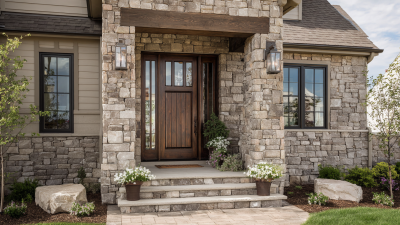
How to Choose the Best Entry Doors for Your Home Redesign
-
Discover the Benefits of Choosing Steel Exterior Doors for Your Global Business Needs