
China Best Waudena Exterior Doors for Global Buyers?
China’s exterior-door market is expanding, but global buyers need more than attractive catalog images. They need verified performance, stable supply, and clear installation guidance. Grand View Research estimates that the global doors market will grow steadily through 2030, supported by renovation, urban construction, and energy-efficiency demand. That growth creates opportunity for Waudena Exterior Doors, but it also raises practical questions.
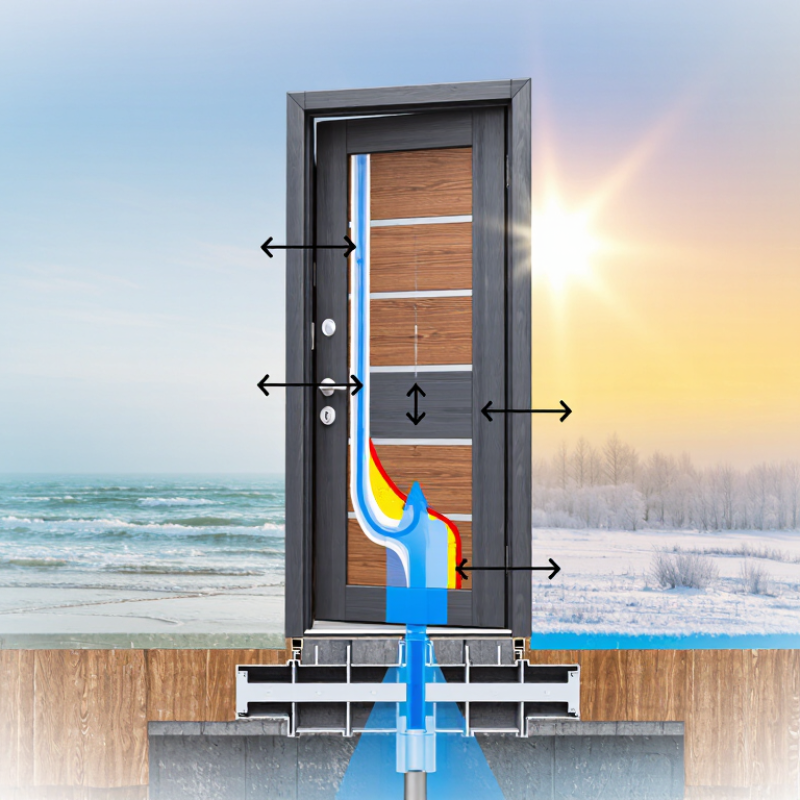
Can the door survive humid coastal air, freezing winters, or intense sunlight? A sample may look excellent under showroom lighting. Real projects face warped frames, damaged thresholds, and delayed replacement parts. These details matter.
Building-science expert Joseph Lstiburek has repeatedly emphasized, “Water is the most important thing in building science.” His point applies directly to exterior doors. A durable product needs more than a strong slab. Flashing, sill drainage, weather seals, hardware, and wall integration must work together.
Waudena Exterior Doors can interest distributors, contractors, and developers seeking configurable entry systems. Yet brand claims should be checked against documented U-factors, air leakage ratings, water resistance, warranty terms, and regional testing. The U.S. Department of Energy also identifies doors and windows as important parts of the building envelope, where poor installation can reduce comfort and energy performance.
This overview examines product construction, customization, logistics, and buyer suitability. It will not assume that one model fits every climate. That would be convenient, but inaccurate. Reliable sourcing requires comparing technical evidence with field experience, installer feedback, and after-sales support.
Waudena Exterior Doors: Definition, Purpose, and Key Features
Exterior doors are insulated entry systems designed to separate indoor spaces from weather, noise, and unwanted access. They usually include a door slab, frame, hinges, seals, and a locking system. Their purpose is practical: reduce heat transfer, limit drafts, improve security, and create a durable entrance for homes or commercial buildings.
Weather changes everything. Key features include steel, fiberglass, or engineered wood construction, insulated cores, reinforced edges, adjustable hinges, and weather-resistant finishes. Multi-point locks may improve stability, while low-maintenance surfaces help reduce repainting. Glass panels can bring daylight inside, but they should use suitable safety glazing and reliable seals. During installation reviews, I have seen excellent doors perform poorly because the frame was slightly out of square.
For global buyers, technical details deserve careful checking. Confirm opening dimensions, handing, threshold height, insulation ratings, wind-load data, and finish durability before ordering. Local climate matters too; coastal air, heavy rain, strong sunlight, and freezing temperatures require different material choices. Ask for installation drawings, inspection records, packaging details, and replacement-part support. Fit matters more. A small measurement error can cause rubbing, air leakage, or water entry. No exterior door is perfect in every climate, and supplier claims should be compared with test evidence and real project feedback.
China Best Waudena Exterior Doors for Global Buyers? - Waudena Exterior Doors: Definition, Purpose, and Key Features
| Data Dimension | Information for Global Buyers | Practical Selection Considerations |
|---|---|---|
| Definition | An exterior door is a door assembly installed in an external wall to provide controlled access between an interior space and the outdoors. | Confirm that the complete assembly includes the door leaf, frame, hinges, weather seals, threshold, glazing, and hardware where applicable. |
| Primary Purpose | To provide entry and exit while helping protect the building from weather, unwanted air movement, water penetration, noise, and unauthorized access. | Match the door specification to the building type, local climate, security requirements, and expected traffic frequency. |
| Common Door Materials | Steel, fiberglass-reinforced composite, solid wood, engineered wood, aluminum, and combinations of these materials are commonly used. | Steel is valued for strength, fiberglass for moisture resistance, wood for appearance, and aluminum for corrosion-resistant lightweight construction. |
| Typical Configurations | Single doors, double doors, doors with sidelites, doors with transoms, sliding doors, and outswing or inswing hinged doors. | Check the rough opening, handing, swing direction, clear opening, threshold height, and accessibility requirements before ordering. |
| Thermal Performance | Insulated exterior doors can reduce heat transfer through the entrance. Performance depends on the door core, frame, glazing, seals, and installation quality. | Request tested U-factor or thermal transmittance data for the complete door assembly rather than relying only on the panel specification. |
| Weather Resistance | Weather-resistant designs use compression gaskets, sealed joints, sloped or adjustable thresholds, corrosion-resistant finishes, and properly integrated flashing. | For exposed entrances, verify water penetration, air leakage, and structural performance through documented laboratory or field testing. |
| Security Features | Security may include reinforced lock areas, multi-point locking systems, heavy-duty hinges, laminated glazing, and impact-resistant frames. | Select hardware and glazing according to the required security level, local building regulations, and emergency egress rules. |
| Glazing Options | Available glazing may include clear, frosted, decorative, insulated, tempered, laminated, or low-emissivity glass. | Consider daylight, privacy, solar heat gain, impact resistance, safety glazing requirements, and replacement availability. |
| Acoustic Performance | Sound reduction is influenced by the door mass, core construction, glazing, perimeter seals, threshold, and installation gaps. | For homes near roads, airports, or commercial areas, request a tested sound-rating value for the complete assembly. |
| Surface Finishes | Common finishes include factory-applied paint, powder coating, wood veneer, laminate, textured coatings, and protective exterior films. | For coastal or humid locations, confirm resistance to ultraviolet exposure, salt spray, moisture, and temperature changes. |
| Applicable Building Uses | Exterior doors are used in houses, apartments, offices, retail buildings, hospitality projects, schools, and light industrial facilities. | Commercial and institutional projects may require higher cycle durability, accessibility compliance, fire ratings, or panic hardware. |
| Typical Size Information | Door sizes vary by market and project. Many residential systems are based on standardized nominal widths and heights, while custom dimensions are also available. | Use verified site measurements for the rough opening, wall thickness, frame depth, sill condition, and finished floor level. |
| Compliance Documentation | Depending on the destination market, documentation may include product drawings, material declarations, test reports, installation instructions, and conformity information. | Confirm the required standards with the local architect, code official, or project consultant before production. |
| Installation Requirements | A durable installation requires a plumb and level frame, correctly supported threshold, sealed perimeter joints, compatible flashing, and properly adjusted hardware. | Poor installation can reduce thermal, weather, security, and operating performance even when the door itself has suitable test results. |
| Maintenance Needs | Routine care normally includes cleaning surfaces, inspecting seals, lubricating hinges and locks, checking drainage paths, and tightening hardware. | Maintenance frequency should increase in coastal, industrial, high-humidity, or high-traffic environments. |
| Global Purchasing Checklist | Review drawings, bill of materials, dimensions, opening direction, performance data, packaging, shipping protection, spare parts, warranty terms, and installation support. | Approve a complete sample or production mock-up when appearance, fit, glazing, color, or hardware coordination is critical. |
Related Posts
-
How to Choose Waudena Exterior Doors for Global Projects
-
What is Fiberglass Exterior Doors? Benefits, Styles, and Maintenance Tips
-

Maximizing Energy Efficiency: The Impact of Residential Doors on Your Home's Thermal Performance
-

Top 10 Home Doors Styles to Enhance Your Curb Appeal?
-

2026 How to Choose Front Doors With Glass for Your Home
-
2026 Best Fiberglass Front Doors for Global Buyers?