
Top 10 Fiberglass Exterior Door Types for Global Buyers
Choosing an exterior door is rarely a simple style decision. For global buyers, climate, security, energy performance, and installation conditions matter equally. This guide examines the Top 10 Fiberglass Exterior Door Types for Global Buyers, using practical criteria that support informed purchasing.
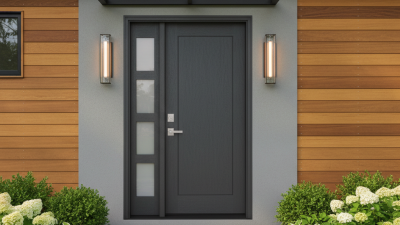
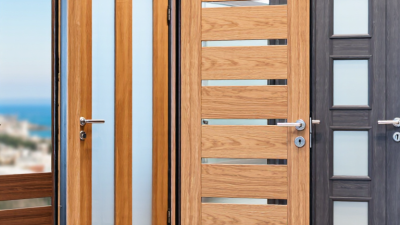
Fiberglass Exterior Doors can resemble painted timber, natural oak, or modern steel. Their surfaces may include embossed grain, smooth panels, decorative glass, or reinforced cores. In humid coastal areas, buyers should examine moisture resistance and edge sealing. In colder regions, insulated cores, weatherstripping, and low-conductivity frames deserve careful attention. Hot climates may require UV-resistant finishes and appropriate glass specifications. Small details matter.
The selection process also considers entry doors, double doors, sidelites, glazed models, fire-rated options, and thermally efficient designs. Product documents should confirm dimensions, core construction, U-values, hardware compatibility, and tested performance. Regional standards can differ, so buyers should verify requirements with qualified local professionals. A convincing product photo is not enough.
Some rankings remain subjective. A beautiful door may perform poorly when installed incorrectly. Even a strong door can lose efficiency through gaps around the frame. This guide therefore balances appearance with measurable details, supplier communication, and long-term maintenance needs. It reflects common industry practice, but product quality varies between manufacturers. Readers should treat each comparison as a starting point, not a final specification. Check the details.
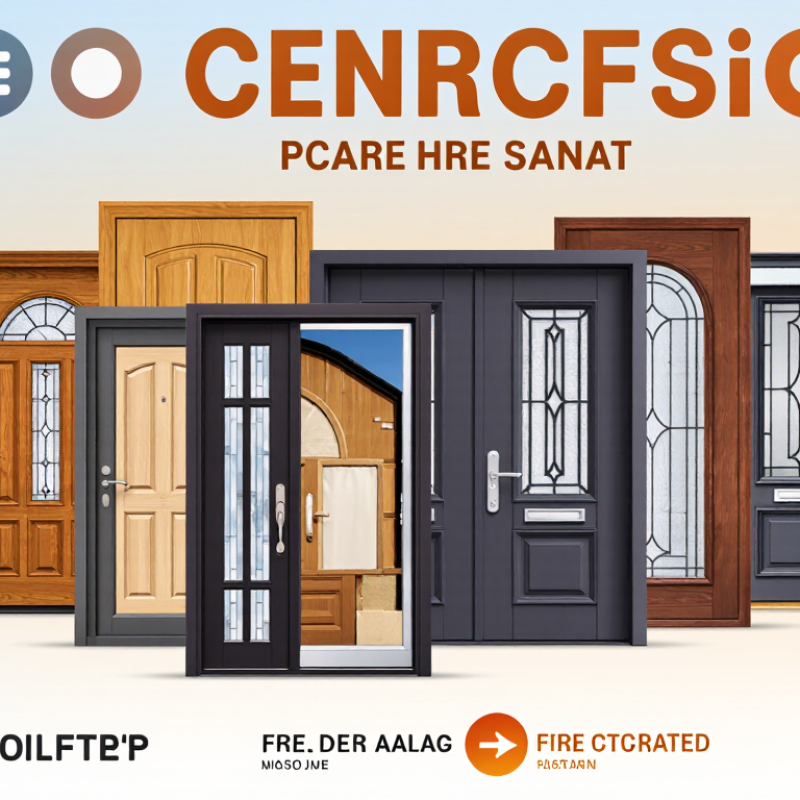
Fiberglass Exterior Doors: Materials, Structure, and Core Advantages
Fiberglass exterior doors combine a molded fiberglass skin, a reinforced frame, and an insulated core. The skin may imitate oak grain or present a clean, smooth surface. Beneath it, polyurethane foam helps limit heat transfer and outside noise. Some models include steel reinforcement around locks and hinges. This structure supports flush, woodgrain, half-glass, and full-glass door designs for different properties and climates.
In practical installations, fiberglass resists moisture, insects, and ordinary sunlight better than many wood doors. It will not swell easily after heavy rain, although poor sealing can still cause trouble. The frame matters as much as the panel. A square opening, accurate shimming, and a continuous weather seal improve operation. Buyers should also examine hinge strength, glazing quality, threshold drainage, and the door’s tested insulation value. No material is perfect. Dark finishes may absorb more heat, and damaged skins are not always simple to repair.
Tips: Match the core and glass package to the climate. Choose impact-rated glazing where severe weather is common. Check installation instructions before ordering. Measure wall thickness, rough opening size, and handing carefully. A beautiful door can still perform poorly when installed out of square. Think beyond appearance. Ask for maintenance guidance, warranty terms, and verified performance data from the supplier.
Top 10 Fiberglass Exterior Door Types for Global Buyers — Fiberglass Exterior Doors: Materials, Structure, and Core Advantages
| No. | Door Type | Typical Construction | Exterior Skin and Finish | Core Structure | Typical Glazing Configuration | Common Thickness | Main Advantages | Typical Applications |
|---|---|---|---|---|---|---|---|---|
| 1 | Smooth-Panel Fiberglass Door | Compression-molded fiberglass-reinforced polymer skin bonded to engineered stiles, rails, and a perimeter frame. | Smooth molded skin with factory paint, field paint, or exterior-grade coating. | Polyurethane or polystyrene foam insulation, usually reinforced around the lockset and hinges. | Solid panel; optional insulated glass insert. | 44–50 mm | Low maintenance, stable dimensions, good moisture resistance, and clean modern appearance. | Residential entrances, utility access doors, and multi-unit housing. |
| 2 | Wood-Grain Fiberglass Door | Textured molded fiberglass skin designed to reproduce oak, mahogany, fir, or similar wood grain. | Embossed grain with stainable or paintable surface; clear topcoat may be used for exterior exposure. | Insulating foam core with composite or engineered-wood reinforcement zones. | Solid panel or decorative insulated glass unit. | 44–50 mm | Wood-like appearance without routine warping, splitting, or frequent refinishing associated with natural wood. | Entry doors where traditional architectural styling is preferred. |
| 3 | Full-View Fiberglass Door | Fiberglass perimeter frame surrounding a large insulated glazing area; structural rails support the glass unit. | Smooth or lightly textured fiberglass frame with weather-resistant paint. | Insulated frame cavities with reinforced hinge and lock areas. | Large low-emissivity double glazing; triple glazing may be specified for colder climates. | 44–60 mm | High daylight transmission, outdoor visibility, and a lighter visual appearance. | Patio connections, garden-facing entrances, coastal homes, and modern residential projects. |
| 4 | Half-Glass Fiberglass Door | Solid lower fiberglass panel combined with an upper glazing section in a reinforced door slab. | Smooth or wood-grain fiberglass skin with painted frame and glazing surround. | Foam-insulated lower panel with structural blocking around the glass opening. | Insulated glass covering approximately the upper half of the door face. | 44–50 mm | Balances privacy, daylight, ventilation potential, and impact resistance in the lower section. | Back entrances, kitchens, porches, and low-rise residential buildings. |
| 5 | Decorative-Glass Fiberglass Door | Fiberglass slab with one or more prepared openings for decorative insulated glass panels. | Textured or smooth skin paired with privacy, patterned, laminated, or colored glass. | Insulating foam core with local reinforcement around glass cutouts and hardware. | Double-glazed decorative unit; privacy levels depend on glass pattern and coating. | 44–50 mm | Enhanced curb appeal, controlled privacy, and natural light without a fully transparent opening. | Front entrances, apartment buildings, hospitality projects, and renovation work. |
| 6 | Double Fiberglass Entry Door | Two coordinated fiberglass door leaves installed in one frame, with an active and inactive leaf. | Smooth or wood-grain fiberglass skins with matching astragal and weather seals. | Foam-insulated leaves with reinforced meeting stiles, hinges, and multipoint or mortise lock zones. | Solid, narrow-lite, or decorative-glass configurations. | 44–50 mm per leaf | Wide clear opening, strong design presence, and flexible access for large furniture or equipment. | Large residences, villas, public-facing buildings, and ceremonial entrances. |
| 7 | Fiberglass French Door Set | Pair of hinged fiberglass doors with meeting stiles, adjustable hinges, and coordinated frame components. | Paintable or stainable fiberglass faces with optional simulated divided-light detailing. | Insulating foam core with reinforced lock and hinge edges. | Full-lite or multi-lite insulated glass, commonly with low-emissivity coating. | 44–50 mm per leaf | Classic appearance, broad opening, good thermal performance, and adaptable glazing options. | Balconies, patios, dining areas, conservatories, and traditional-style homes. |
| 8 | Fiberglass Sliding Patio Door Panel | Fiberglass-reinforced sliding panel operating on rollers within a dedicated track and frame system. | Smooth or textured fiberglass exterior with powder-coated or painted frame components. | Insulated panel construction with edge reinforcement for rollers, handles, and locking hardware. | Large insulated glazing unit, usually double glazing; low-emissivity glass is common. | 35–50 mm | Space-saving operation, high daylight area, and reduced swing clearance requirements. | Patios, balconies, terraces, garden rooms, and compact interior layouts. |
| 9 | Impact-Resistant Fiberglass Door | Reinforced fiberglass skin and frame system designed for higher resistance to windborne debris and severe weather. | Heavy-duty molded skin with weather-resistant coating and sealed edges. | Dense insulating core with structural reinforcement and impact-rated glazing where specified. | Laminated impact glass or approved protective glazing system. | 44–60 mm | Improved resistance to wind pressure, moisture intrusion, and severe-weather exposure when tested as a complete system. | Hurricane-prone, coastal, high-wind, and exposed building locations. |
| 10 | Fire-Rated Fiberglass Exterior Door | Specially engineered door leaf and frame assembly using tested materials, seals, and compatible hardware. | Fire-rated fiberglass or composite facing with a certified protective finish system. | Fire-resistant mineral, composite, or specially formulated core selected for the required rating. | Only approved fire-rated glazing, vision panels, and glazing beads may be used. | 45–60 mm | Supports required fire-separation performance when the complete assembly is tested and installed correctly. | Commercial buildings, apartment corridors, service exits, and regulated occupancy areas. |
Related Posts
-
China Top 10 Fiberglass Exterior Door Suppliers
-
Global Manufacturing Excellence Crafted in China with Premium Fiberglass Front Doors
-
Exploring the Unique Features and Ideal Applications of Best Fiberglass Front Doors with Buying Tips
-

5 Tips for Choosing the Best Fiberglass Doors for Your Home
-
Top 10 Benefits of Fiberglass Front Doors for Your Home
-
2026 Best Fiberglass Front Doors for Global Buyers?